.png)
The Connection Between Spiritual Healing for Emotions and Emotional Well-being

When life feels heavy, and emotions seem tangled beyond repair, it’s natural to seek relief. You might have noticed that healing your emotional wounds often involves more than just addressing feelings on the surface. There’s a deeper layer that many overlook - the spiritual aspect. In my journey, I’ve found that spiritual healing for emotions is a powerful path to restoring balance and clarity. It’s a gentle, yet profound way to reconnect with yourself and find peace amid chaos.
Understanding Spiritual Healing for Emotions
Spiritual healing for emotions is about nurturing the soul while addressing emotional pain. It’s not just about feeling better temporarily; it’s about transforming your inner world. Imagine your emotions as waves on the ocean’s surface. Spiritual healing helps you dive beneath those waves to calm the depths where true peace resides.
This process often involves practices like meditation, energy work, prayer, or connecting with nature. These tools help you release emotional blockages and invite a sense of wholeness. For example, when you meditate, you create space to observe your feelings without judgment. This awareness can reveal hidden fears or unresolved grief that need gentle attention.
You might also explore energy healing techniques such as Reiki or chakra balancing. These methods work on the subtle energy fields around your body, helping to clear stagnant energy that can cause emotional distress. When energy flows freely, emotions tend to settle, and clarity emerges.

How Spiritual Healing Supports Emotional Recovery
Emotional wounds often stem from experiences that leave us feeling disconnected or unsafe. Spiritual healing supports emotional recovery by restoring that connection - to yourself, to others, and to something greater. This connection fosters resilience and hope.
One practical way to engage in spiritual healing is through journaling with intention. Writing about your emotions while asking yourself deeper questions like “What is this feeling trying to teach me?” or “How can I invite peace into this moment?” can open new perspectives. It’s a form of dialogue between your heart and soul.
Another approach is to cultivate gratitude. When you focus on what you appreciate, even in small things, you shift your energy from scarcity to abundance. This shift can soften emotional pain and invite healing.
Remember, spiritual healing is not about ignoring your emotions or pretending everything is fine. It’s about embracing your feelings fully and allowing them to move through you with compassion.
How do you know you are a spiritual healer?
If you’ve ever felt drawn to help others find peace or noticed that your presence alone brings comfort, you might be a spiritual healer. This calling often comes with a deep sensitivity to energy and emotions. You may find yourself naturally tuning into others’ feelings or sensing when something is out of balance.
Spiritual healers often experience moments of clarity or insight that guide their actions. They might feel compelled to learn healing modalities or develop intuitive skills. If you resonate with these experiences, it’s important to nurture your own healing journey first. The more you heal yourself, the more effectively you can support others.
You might also notice that traditional methods of healing don’t fully satisfy you. Instead, you seek holistic approaches that honor the mind, body, and spirit. This is a sign that your path involves integrating spiritual healing with emotional care.
Practical Steps to Begin Your Spiritual Healing for Emotions
Starting your spiritual healing journey can feel overwhelming, but it doesn’t have to be complicated. Here are some simple, actionable steps you can take:
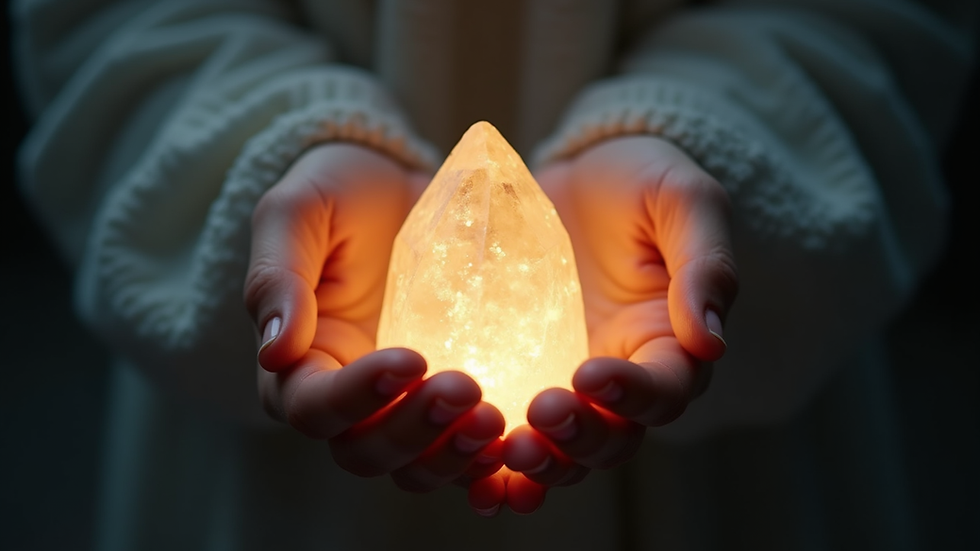
Create a Sacred Space - Dedicate a corner of your home for meditation, prayer, or quiet reflection. Fill it with items that inspire peace, like candles, crystals, or meaningful objects.
Practice Mindful Breathing - Spend a few minutes each day focusing on your breath. Inhale deeply, hold for a moment, then exhale slowly. This calms your nervous system and centers your mind.
Explore Energy Healing - Consider trying Reiki, sound healing, or chakra balancing. Many practitioners offer sessions online or in person.
Connect with Nature - Spend time outdoors, barefoot on the earth if possible. Nature has a grounding effect that supports emotional release.
Seek Guidance - If you feel stuck, working with a spiritual counselor or healer can provide personalized support and insight.
These steps are gentle invitations to reconnect with your inner self and begin the process of healing from within.
Embracing the Journey of Healing
Healing is not a destination but a journey. It unfolds in layers, sometimes slowly, sometimes in sudden shifts. By embracing both your emotional experiences and your spiritual essence, you open the door to profound transformation.
If you’re ready to explore this path, remember to be patient and kind with yourself. Healing takes time, and every step forward is a victory. You don’t have to carry your burdens alone - support is available, and your spirit is resilient.
For those seeking a deeper connection between their emotional and spiritual selves, exploring spiritual and emotional healing can be a life-changing experience. It’s a way to find balance, clarity, and peace that lasts.
May your journey bring you the relief and renewal you deserve.


Comments